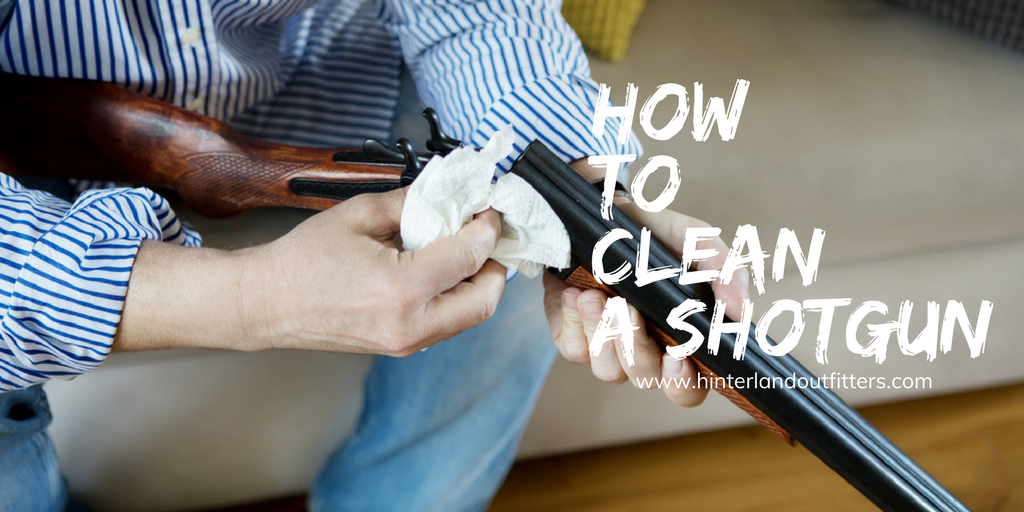
Being a responsible gun owner is more than just taking safety measures. It’s about taking care of your firearm. When not in use, your firearm should be safely stored, especially away from the naive curiosities of children. You should practice with your firearm, in order to feel comfortable with it and understand how it works, and you should always tend to your firearm’s needs by keeping it clean and in fine working condition. If you take care of your firearm, it will take care of you.
 When it comes to shotguns, you may have heard differently. You’ve probably met a fellow shotgunner who hasn’t cleaned his shotgun in years (or maybe just a handful of times). He carries his dirty shotgun as a badge of honor, every bit of grime telling a story of an epic hunting trip or flawless day of skeet. Is it okay to join him and many others in not cleaning your shotgun regularly? Sure, but it’s not necessarily the best way to go because the best shotgun is a safe shotgun. Keeping your shotgun clean and well maintained ensures that it is safe to fire time and again. It helps you avoid jamming and tricky situations that make the shotgun less safe to handle. We hope this guide helps you to not only keep a clean shotgun, but to keep it safe and reliable.
Why Is Cleaning Your Shotgun Important?
Simply put, your shotgun is a mechanical device, operating through a means of moving parts and springs. Like any machine, it needs to be maintained to stay in good working condition.
The most important reason to clean and maintain your shotgun is for safety and reliability. A rusty barrel or bits of grime can cause the shotgun to malfunction or jam. These are not situations you want to find yourself in out at the range or in the field. You wouldn’t want to miss your chance on a turkey over a jammed shell, and you certainly don’t want to be put in a situation where something like the safety on the shotgun keeps disengaging.
Cleaning your shotgun regularly also increases its longevity, even if it is simply wiping it down after a morning at the range. A good shotgun is a family heirloom. It can be passed down from generation to generation, but only if it is taken care of. Your grandchildren will never shoot your shotgun if you keep it lying around in a damp garage. Cleaning, oiling and storing it properly will ensure it lasts lifetimes.
Finally, you’ll learn your shotgun inside and out. It’s important to have a strong understanding of how your shotgun works. This increases your comfortability with the firearm, as well as overall safe handling. Through the practice of regular maintenance, you’ll learn how much lubrication is best and when you may need to replace a spring. The knowledge of how to field strip and care for a firearm is a great skill to have.
When Do You Know Your Shotgun Needs Cleaning?
Just about every shotgun owner has their own answer to this question, and it certainly depends on the shotgun to some extent as well. However, most shotgunners will agree that pump and semi-automatic shotguns need a thorough cleaning after every 200 to 300 rounds, while break action shotguns can go a bit longer. If you don’t use your shotgun that often, you should pull it out of storage every few months and give it a light cleaning.
Minimally, a good wipe down with an oily rag after a day at the range or a hunt is something every shotgunner should get in the habit of. This gets most of the dust and grime off and makes sure there isn’t any moisture left on the firearm because you don’t want rust spots to develop in between outings. You should also clean the barrel anytime you go shooting—even something like a simple BoreSnake is better than letting it be. For example, older Brownings and shotguns like the Remington 870 Express, which has a matte finish, are known to get rust spots, if not given attention after every use. On the other hand, if your shotgun has a chrome-lined bore, you probably don’t need to clean the barrel after every outing, but it surely wouldn’t hurt.
Any time you encounter sand, mud or rain, your shotgun should be cleaned and wiped down thoroughly. You may think that it’s enough to just dry your shotgun off after a rainstorm, but water gets everywhere. To make sure it shoots next time you take it out, you’ll need to strip it down and service all the parts.
What Supplies Do You Need?
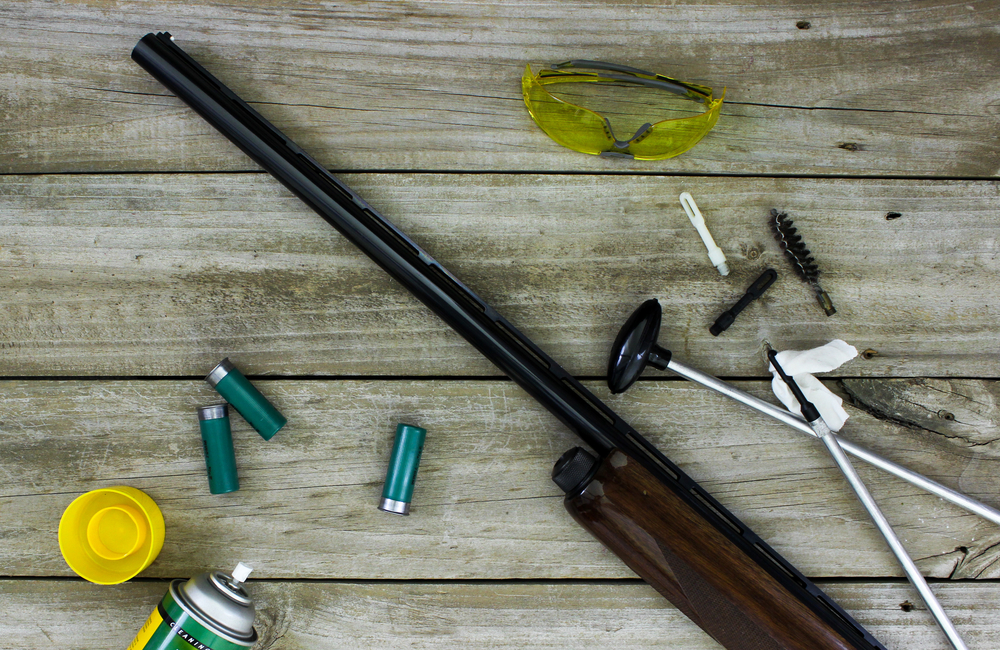
For beginning shotgunners, buying a full cleaning kit is a good place to start, and as you gain more experience, you can try out different tools and cleaners until you find what works best for you. Something like the Hoppe’s Universal Shotgun Cleaning Kit will have everything you need to get started.
The following list explains what cleaning supplies you need and more to aid in the cleaning process and keep your shotgun in perfect working condition:
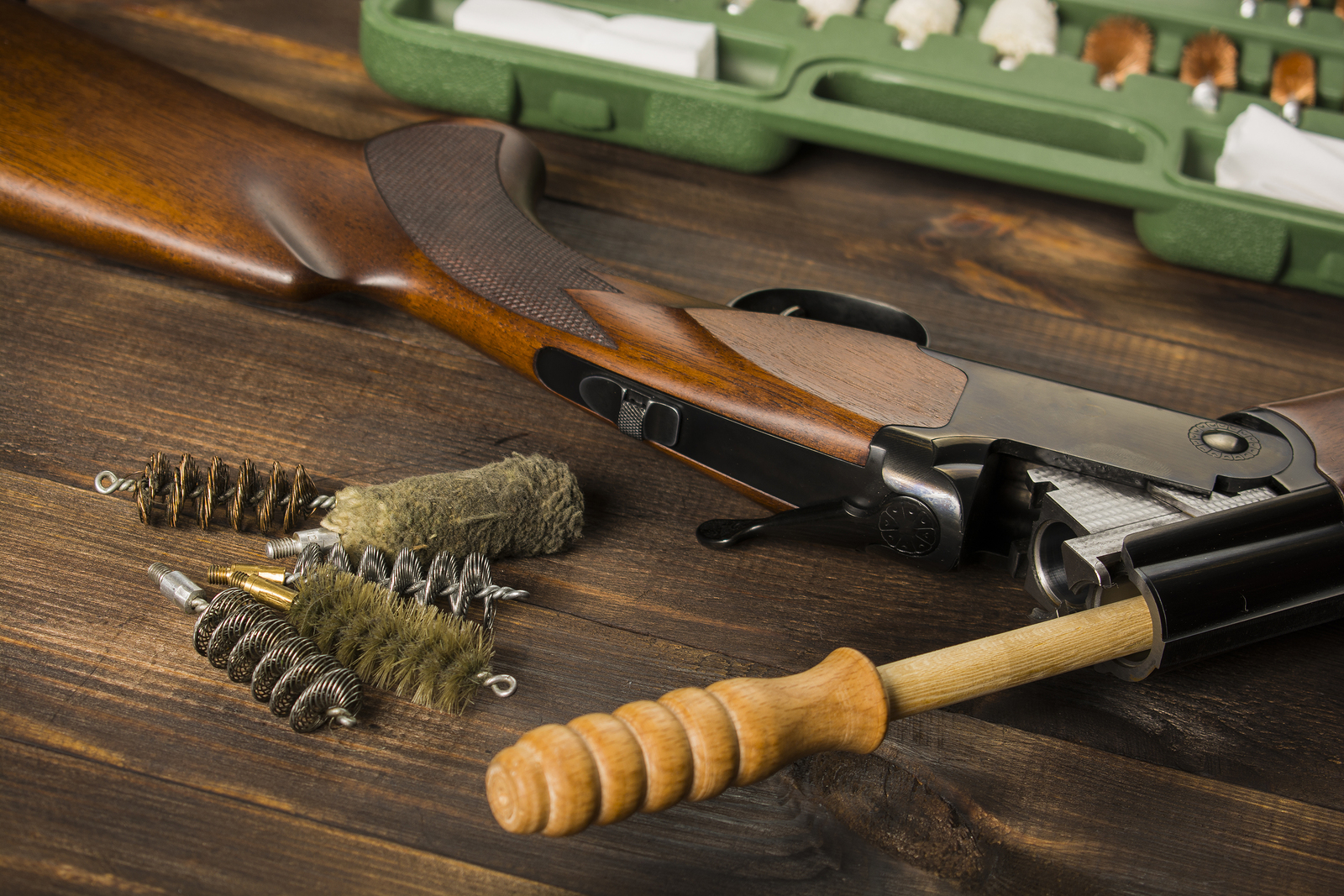
- Cleaning Rod: Gun cleaning rods are used to clean and scrub the barrel of your shotgun. An important thing to understand is that cleaning rods can damage the inside of your barrel, which can impact the function and accuracy of the shotgun. For this reason, choose a cleaning rod that is softer than the steel of your barrel, such as brass or carbon fiber. DAC’s one-piece Carbon Fiber Cleaning Rod is a great choice for shotgun cleaning, as it’s softer than your shotgun’s bore, and since it’s a single piece, it doesn’t have any joints to catch on the inside of the barrel.
- Jags and Loops: Jags and loops are attachments that go on the end of a cleaning rod to hold patches while you push and pull the cleaning rod through the bore. Loops are kind of like sewing needles, as they have small loops on the end that allow you to pull patches halfway through in order to secure them. Jags, which are more popular for shotgun cleaning, have points on the end that you stab through the patches. Nylon and brass jags work well for shotgun bores.
- Patches and Cleaning Cloths: We recommend purchasing cotton patches in bulk, because you need to use a clean patch with every pass of the cleaning rod through the barrel.
- Cleaning Brush: Again, anything that goes in your barrel you want to make sure will not damage the inside of it. For cleaning brushes, we highly recommend using a bronze or nylon bore brush. Bronze brushes tend to work better, but nylon brushes will last a bit longer. Nylon brushes are great for light cleaning, such as post-range bore cleaning, while bronze brushes are better for tough, thorough cleanings. Bore Tech makes great bronze cleaning brushes that attach to the end of your cleaning rod.
- Gun Cleaners: When cleaning your shotgun, or any gun for that matter, it’s crucial that you use cleaning solutions made for leaning guns. The inside of a gun is a volatile, high-heat environment, and you want to make sure that you use cleaning solutions that can withstand that heat and pressure for long periods of time. There are four major types of cleaning solutions you’ll need:
- Solvent: Solvents help to remove any carbon, lead or other fouling from the inside of the bore. Hoppe’s No. 9 is a great solvent to use for this type of work.
- Degreaser: Degreasers remove any other existing dirt and oil from all the moving parts of your shotgun, such as the firing pins, trigger mechanism and springs. A degreaser, such as Gunslick’s Gun Flush, creates a clean surface to apply your lubricant.
- Lubricant: Lubricants, often referred to as gun oil, lubricate the parts of your shotgun so they function seamlessly, as well as help to protect from rust. Gunslick Gun Seal Foam Cleaner works great to lubricate and protect the parts of your shotgun.

- Protectant: If you’re planning to use your shotgun in harsh or wet environments, it is highly recommended that you use some kind of protectant solution to help further propel water. While some lubricants advertise this, it’s better to go with a highly-rated water protectant.
- Gun Toothbrush: Sure, you can use a normal toothbrush from your drug store’s hygiene section, but you’ll be more satisfied using gun toothbrushes designed to get into every nook and cranny of your shotgun. Otis sells a very affordable 9-pack of assorted utility toothbrushes that includes 3 nylon, 3 bronze and 3 stainless steel brushes that will handle your cleaning needs.
- Bore Guide: Bore guides are not necessary to clean your shotgun, but we recommend them because they make cleaning the bore of your shotgun more efficient. A bore guide, like Gunslick’s Universal Bore Guide, keeps your cleaning rod centered, preventing it from damaging the rifling of your barrel, and it stops cleaners from leaking into the receiver.
- Gun Cleaning Pad: Cleaning a shotgun is messy business, and while you can use old blankets and paper towels, a proper cleaning pad is priceless in helping you keep cleaning solutions from leaking onto your work surface, as well as making sure all your parts stay organized without sliding around your workspace. We recommend Drymate’s All Purpose Gun Cleaning Pads.
- Picks and Swabs: Picks and swabs are great for helping you reach those tight spaces. Q-tips also work well, but they tend to leave little fibers everywhere. Swabs can also be washed with hot water and dish soap to be used again in the future.
- Cleaning Cradle: Cleaning cradles hold your shotgun in place to make cleaning the bore easier. While you don’t necessarily need one, it can certainly make things a bit more manageable.
Gun owners should also have these on hand:
- Flitz Metal Polish: Flitz Metal Polish is a non-abrasive polish that destroys any rust with ease. All you have to do is dab a little on a piece of very fine steel wool and lightly scrub away.
- Gun Scrubber: If you’re in a pinch, a good gun scrubber, like Liquid Wrench, will de-gunk your shotgun without you having to take it apart. Just lay some newspapers down outside and spray the cleaner inside it until you see the liquid running out clear.
- Cleaner Lubricant Preservative: A bottle of Cleaner Lubricant Preservative, or CLP, will last quite a while. All you need is a drop or two down the breech face. This will ensure that your firing pins stay snappy.
Cleaning Your Shotgun in 9 Easy Steps
Before you begin setting up to clean your shotgun, you should first refer to the manual. Every shotgun is a bit different, and it is important to know the ins and outs of your firearm, as well as any specific cleaning tips the manual suggests. You also want to know all the intricacies of your shotgun before you disassemble it.
Once you’ve read the manual, and before you begin disassembling your shotgun, you must perform all the necessary safety checks. Like any responsible gun owner, we’re positive you’ve made every effort to store your shotgun safely, but you should always run through your safety checks before cleaning. It’s a good habit to get into whenever you pull out your shotgun or put it back into its case.
Shotgun Safety Checks:
- First, point the gun away from you and anyone else in the vicinity.
- Make sure the shotgun’s safety is engaged, so the trigger cannot be pulled in case there happens to be a cartridge in the chamber.
- Unload the shotgun, if necessary. Open the chamber and look into it and the feed tube to make sure it’s empty. You can also use your finger to check as well. If cleaning a break action, break the gun open and peer down the barrel(s).
9 Steps to a Clean Shotgun:
- Step 1: Disassemble the shotgun into its various parts by removing the forend and the barrel(s). Also remove any chokes from the barrels.
- Step 2: Wipe everything down with a clean cloth first to get off as much grime, carbon buildup and excess oil as you can. Your rag will start to turn black, but keep doing this until the cloth comes away relatively clean.
- Step 3: Degrease all the components with some degreaser solvent. Feel free to spray liberally, as it’s better to spray more than you need than not have enough. Pay special attention to areas that are visibly caked with crud and other buildup. Then, allow the parts to sit for about 15 minutes to let the degreaser work its magic.
- Step 4: Scrub all over the gun with a gun toothbrush, and make sure to get into all the little pockets where dust and carbon collects. The degreaser will have loosened a lot of the grime buildup on the shotgun. Then wipe all the parts down with a clean cloth to remove all the solvent and grime.
- Step 5: If needing a more thorough cleaning, repeat steps 3 and 4. Then, use cleaning picks and swabs to remove any buildup from hard to reach places, such as inside the chamber, and wipe everything down again with another clean cloth.
- Step 6: Swab the barrel with a solvent-soaked cloth or patch. You should consider using a barrel brush to better scrub the bore for a more thorough cleaning. Swab out excess solvent, then use a new cloth or patch to run lubricant and gun oil through the barrel. This will also help protect it from rust.
- Step 7: Scrub the chokes and threads with a brass brush and some solvent, then wipe down and apply lubricant to all areas, including the threads to ensure the chokes don’t stick and freeze up.
- Step 8: Clean and lube the action, but use the lubrication sparingly. Excess oil is the prime attractant for dust and carbon buildup.
- Step 9: Finish with a visual inspection of all the components. Spot-clean anything you missed, then apply a small amount of gun oil to a rag and rub down the shotgun. Reassemble the shotgun and tighten any screws or other hardware. Finally, check to make sure everything is working right and “feels right.” Check the action, trigger and pump, if applicable.
Buy Gun Cleaning Supplies from Hinterland Outfitters
We hope this guide has been beneficial in helping you learn how to best clean and maintain your shotgun. At Hinterland Outfitters, we want to make sure you not only have access to all the hunting and outdoor equipment you need, but we want to ensure you have information on how to make the most of it. When it comes to cleaning a shotgun, we have all the cleaning supplies you need in one easy place, along with guides to help you use them.
If you have any other questions or concerns, don’t hesitate to contact us. Our star-studded customer service team is ready to help you find the shotgun cleaning supplies you need to keep your shotgun in mint condition, so it can be passed down from generation to generation.